About the variety
Pinot Noir is a red grape variety from France. The getwine.at catalogue lists 199 wines from 106 wineries.
Pinot Noir, officially Blauer Burgunder in Austria and also Blauburgunder or Blauer Spätburgunder, is a red variety of French origin (VIVC 9279). In 2020 Austria had 624 ha, mainly in Lower Austria (307 ha), where the Thermenregion is its traditional home, and in Burgenland (261 ha). It is demanding in the vineyard and gives light-coloured, elegant red wines with red cherry and berry notes.
- Berry colour
- red
- Origin
- Franceper VIVC passport
- Typical tannin
- Low
- Where it grows — by catalogue wines
- Thermenregion22 wines
- Neusiedlersee18 wines
- Kamptal14 wines
- Weinviertel12 wines
- Südsteiermark9 wines
Typical tannin of a dry wine from this variety; a given wine may differ.
Which glass to useWhat it looks like
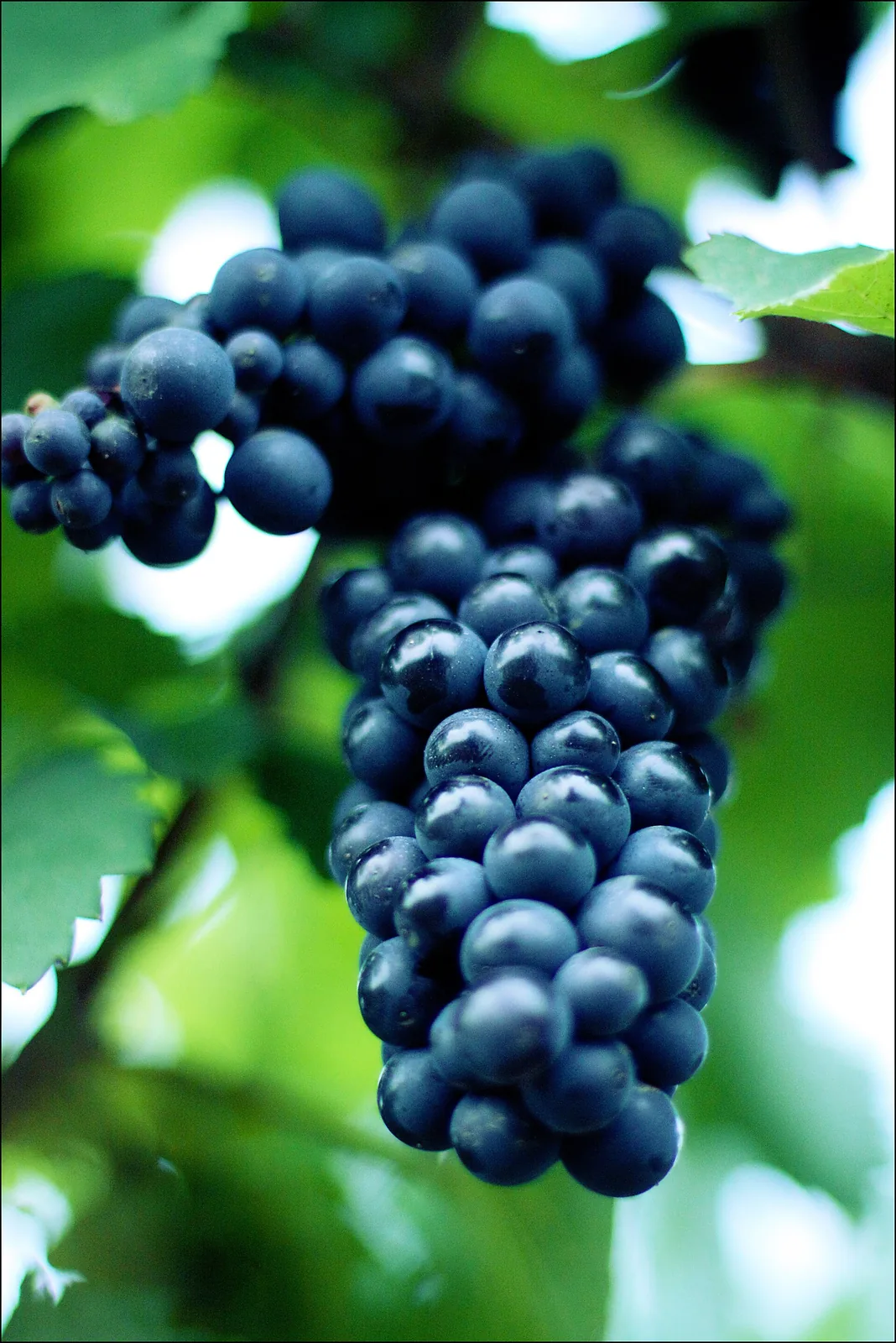
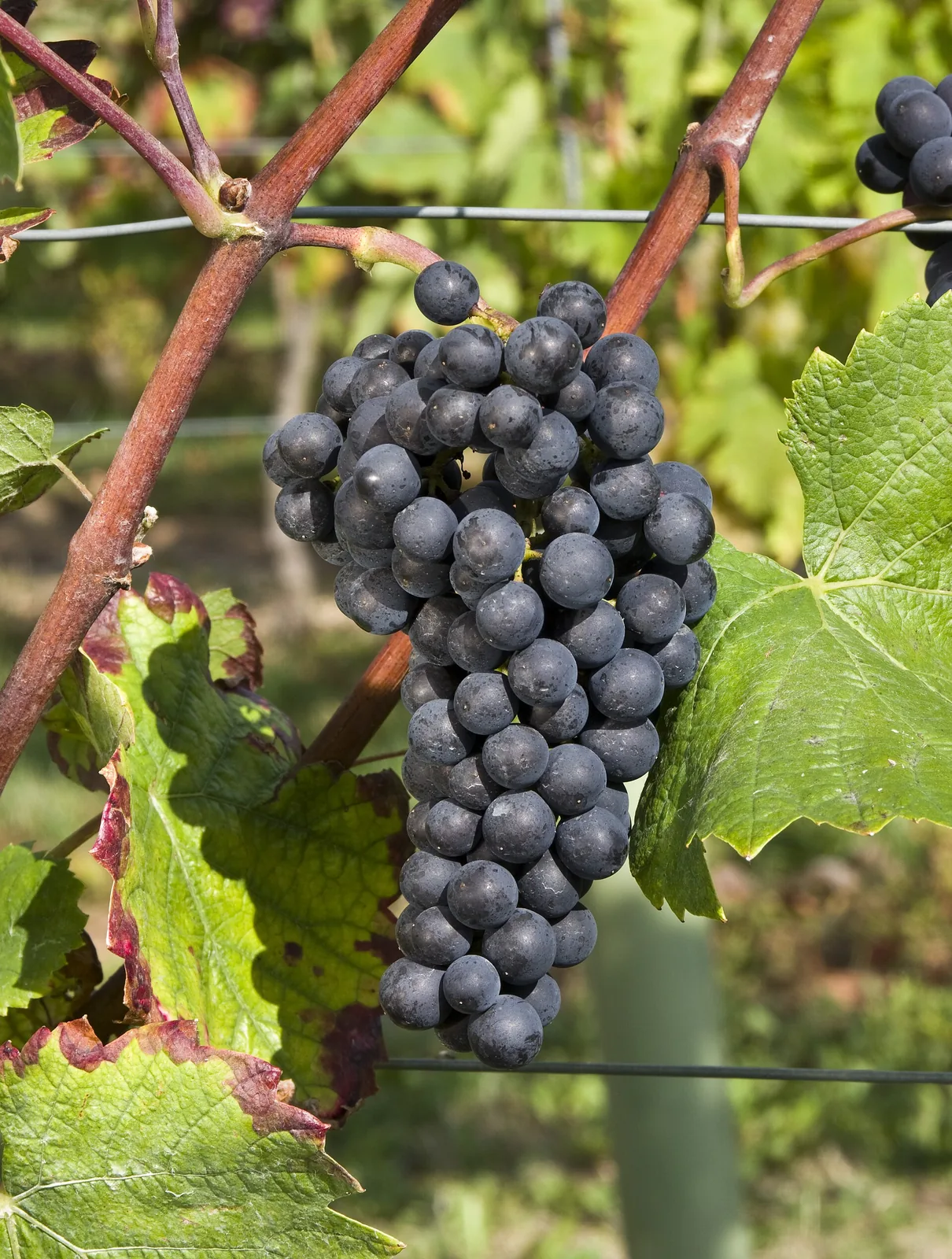
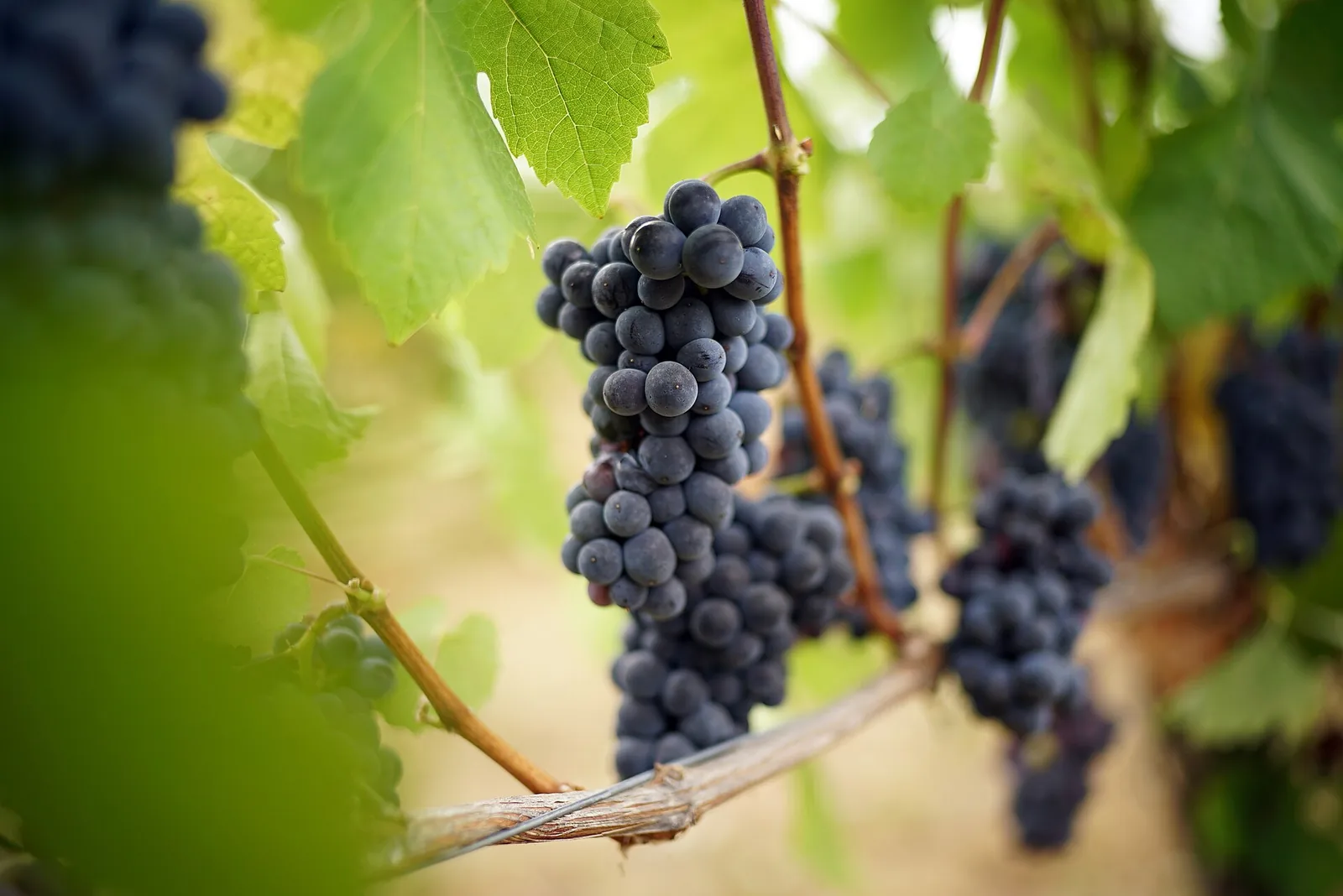
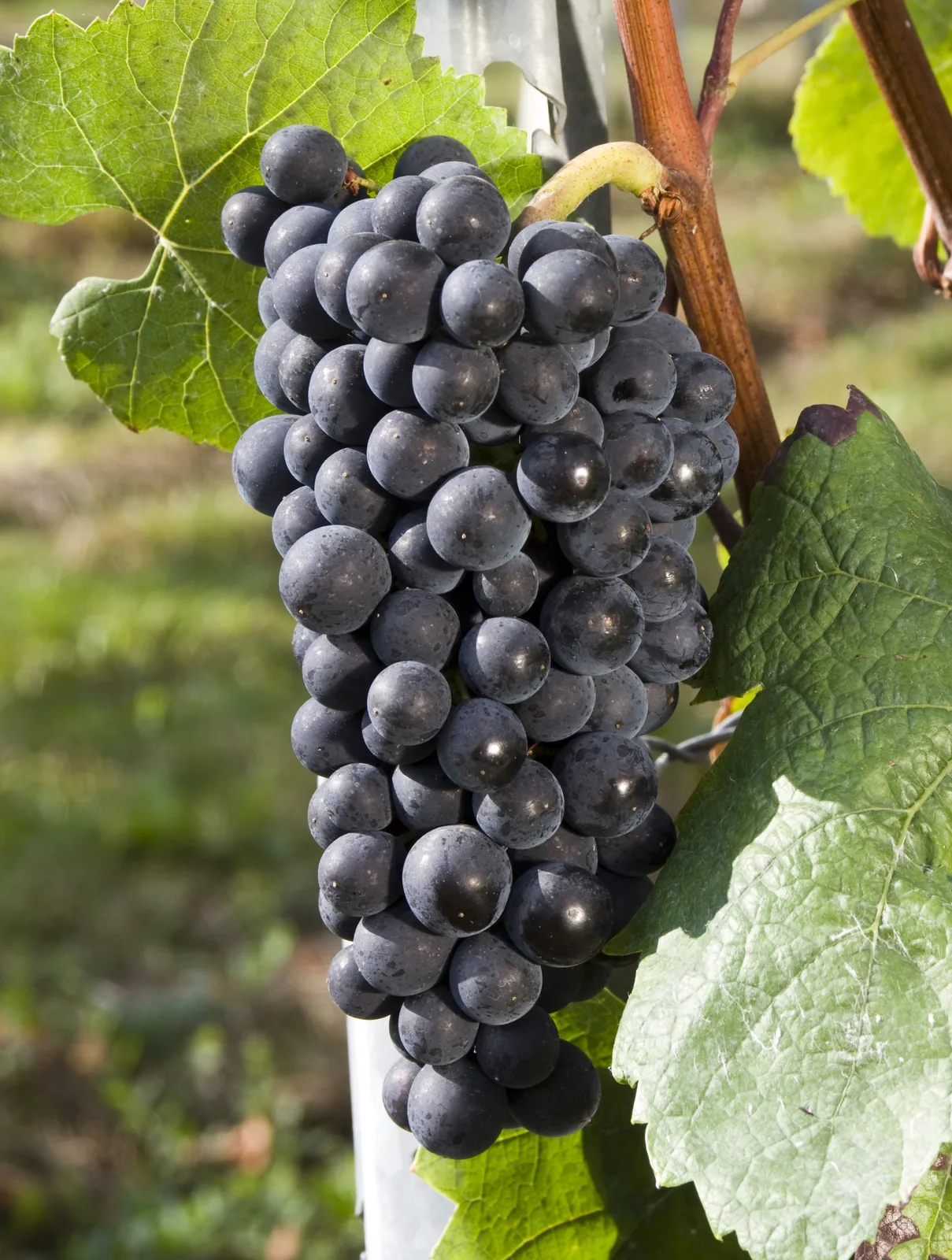
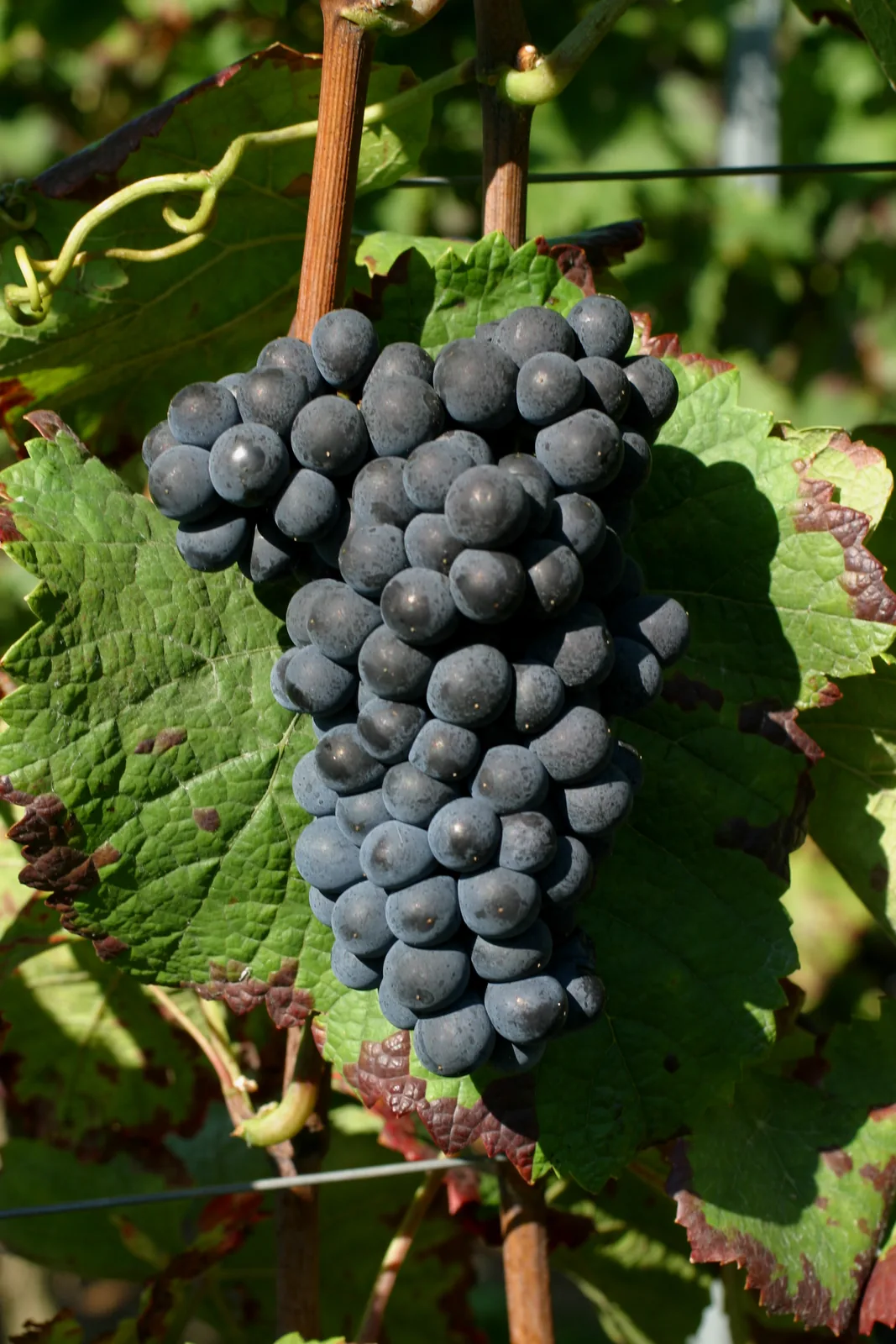
Bunch, berries and leaf
Geography
Appellations
- Permitted variety
- Thermenregion DAC, Wachau DAC, Wagram DAC
From Austria's DAC-Verordnungen. Document number and year are on each zone's page.
Ampelography
Variety passport
- Parentage
- unknown parent × Savagnin Blancconfirmed by DNA markers
- Synonyms
- Blau Burgunder, Blauer Burgunder, Affenthaler, Aprofekete, Arbst, Arbst Blau, Arbst Blauer, Arnaison Gris
- Flower
- hermaphrodite
- Use
- wine
- Held in collections
- 81
Literature (10)
- MAGHRADZE, D.. Development of national programmes on plant genetic resources in Southeastern Europe - conservation and sustainable use of grapevine genetic resources in the Caucasus and Northern Black Sea region. 2006
- ANONYMOUS. Blatt für Sortenwesen. Amtsblatt des Bundessortenamtes (10) 337. 2002
- JÖRGER, V.. Pilzwiderstandsfähige Rote aus Freiburg. Der Badische Winzer (11) 36-40. 2002
- UEHARA, N.. Explanation of Grapevine Varieties. UEHARA Grapes & Vines Research Institute, Kofu-Shi Yamanashi. 2001
- REGNER, F.; EISENHELD, C.; KASERER, H.; STADLBAUER, A.. Weitere Sortenanalysen bei Rebe mittels genetischer Marker. Mitteilungen Klosterneuburg 51 (1) 3-14. 2001
- CRESPAN, M.; MILANI, N.. The Muscats: A molecular analysis of synonyms, homonyms and genetic relationships within a large family of grapevine cultivars. Vitis 40 (1) 23-30. 2001
- CALO, A.; SCIENZA, A.; COSTACURTA, A.; MOLINA, M.. Vitigni d'Italia. Edagricole-Edizioni Agricole della Calderini s.r.l.. 2001
- ROSSONI, M.; FASOLI, V.; LABRA, M.; SPINAR DI, A.; FAILLA, O.; SCIENZA, A.; SALA, F.. Exploration of elite grapevine germplasm of Oltrepò pavese (northern Italy) using genetic, chemotaxonomic and morphological markers. Advances in Horticultural Science 15 (1-4) 72-78. 2001
- GALET, P.. Dictionnaire Encyclopédique des Cépages. Hachette. 2000
- SEFC, K.M.; LOPES, M.S.; LEFORT, F.; BOTTA, R.; ROUBELAKIS-ANGELAKIS, K.A.; IBANEZ, J.; PEJIC, I.; WAGNER, H.W.; GLÖSSL, J.; STEINKELLNER, H.. Microsatellite variability in grapevine cultivars from different European regions and evaluation of assignment testing to assess the geographic origin of cultivars. Theoretical and Applied Genetics 100 (3-4) 498-505. 2000
VIVC passport no. 9279, Vitis International Variety Catalogue.
Who makes it and how
- GrapesWineries
- own vineyards66
- own and bought-in grapes1
- members' grapes1
- no data38
- WinemakingWineries
- own winemaking and bottling69
- no data37
- OutputWineries
- small output8
- medium output39
- large output4
- no data55
- Alcohol
typically 12–13.5%
- Blended with
- Zweigelt25 wines
- St. Laurent15 wines
- Blaufränkisch5 wines
- Chardonnay5 wines
- Cabernet Sauvignon4 wines
Wines
Wines from Pinot Noir

Pinot Noir
Gerhard Markowitsch
Pinot Noir: a dry red Austrian wine. Produced by Gerhard Markowitsch.

Sekt Reserve Brut Rosé
Bründlmayer
Pinot Noir, Zweigelt and St. Laurent: a brut rosé sparkling Austrian wine. Produced by Bründlmayer.

Pinot Noir Ried Holzspur
Johanneshof Reinisch
Thermenregion
A dry red Austrian wine made from Pinot Noir, region of Thermenregion. Produced by Johanneshof Reinisch.
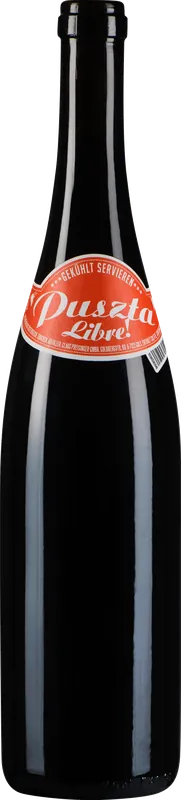
Puszta Libre!
Claus Preisinger
A dry red Austrian wine made from Pinot Noir, Zweigelt and St. Laurent. Made at Claus Preisinger.

Sekt Brut Reserve Rose
Fred Loimer
Kamptal
A brut rosé sparkling Austrian wine made from Pinot Noir, Zweigelt and St. Laurent, region of Kamptal. Produced by Fred Loimer.
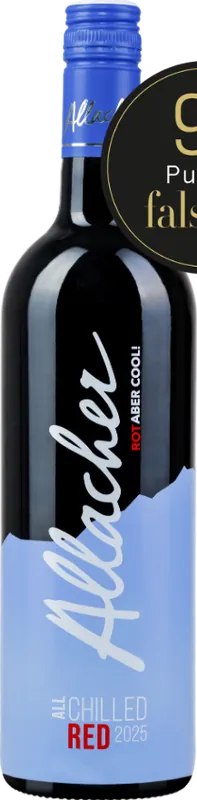
All Chilled Red
Allacher Vinum Pannonia
Pinot Noir, Zweigelt and St. Laurent: a red Austrian wine. Made at Allacher Vinum Pannonia.
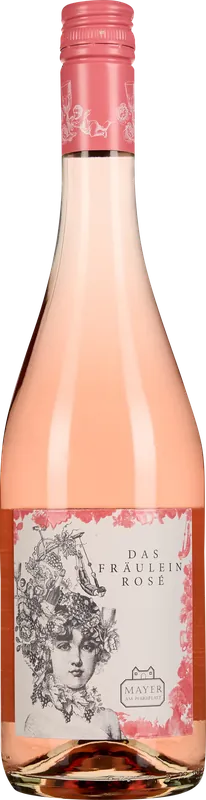
Das Fräulein Rosé
Mayer am Pfarrplatz
A dry rosé Austrian wine made from Pinot Noir. Produced by Mayer am Pfarrplatz.

Hetschepetsch Rosé
Jurtschitsch
A dry rosé Austrian wine made from Pinot Noir, Zweigelt and Grüner Veltliner. Produced by Jurtschitsch.
Where the data comes from
Sources for this page
Description
Facts from ampelographic sources and the country's official registers, in our own words.
Photos
Openly licensed photographs and photos from winery websites; the source of each frame:
- Bunch on the vine · photo: Olivier Lemoine (Photo-Terroir.fr) / Wikimedia Commons, CC BY-SA 4.0
- Bunch on the vine · photo: Ursula Brühl, Julius Kühn-Institut (JKI) / Wikimedia Commons, CC BY-SA 4.0
- Bunch on the vine · photo: Jim Fischer / Wikimedia Commons, CC BY 2.0
- Bunch on the vine · photo: Ursula Brühl, Julius Kühn-Institut (JKI), Federal Research Centre for Cultivated Plants, Institute for Grapevine Breeding Geilweilerhof - 76833 Siebeldingen, GERMANY / VIVC, This photo can be reproduced
- Bunch on the vine · photo: Doris Schneider, Julius Kühn-Institut (JKI), Federal Research Centre for Cultivated Plants, Institute for Grapevine Breeding Geilweilerhof - 76833 Siebeldingen, GERMANY / VIVC, This photo can be reproduced
Typical tannin
For reference: set only when two independent sources name the level.
Appellations
Zone specifications: which varieties are permitted and in what role.
Passport and origin
Vitis International Variety Catalogue (VIVC).
Wines
Our catalogue: the grape make-up comes from the winery's site or the label.
Found a mistake, a photo of a different variety, or know a better source? Tell us — we'll check and correct it.